Key points
- The feature arrives in Korea in November before any US release date is confirmed.
- Users must record two nights of sleep within a ten-day window to generate results.
- Samsung classifies findings into mild, occasional and frequent stages for management.
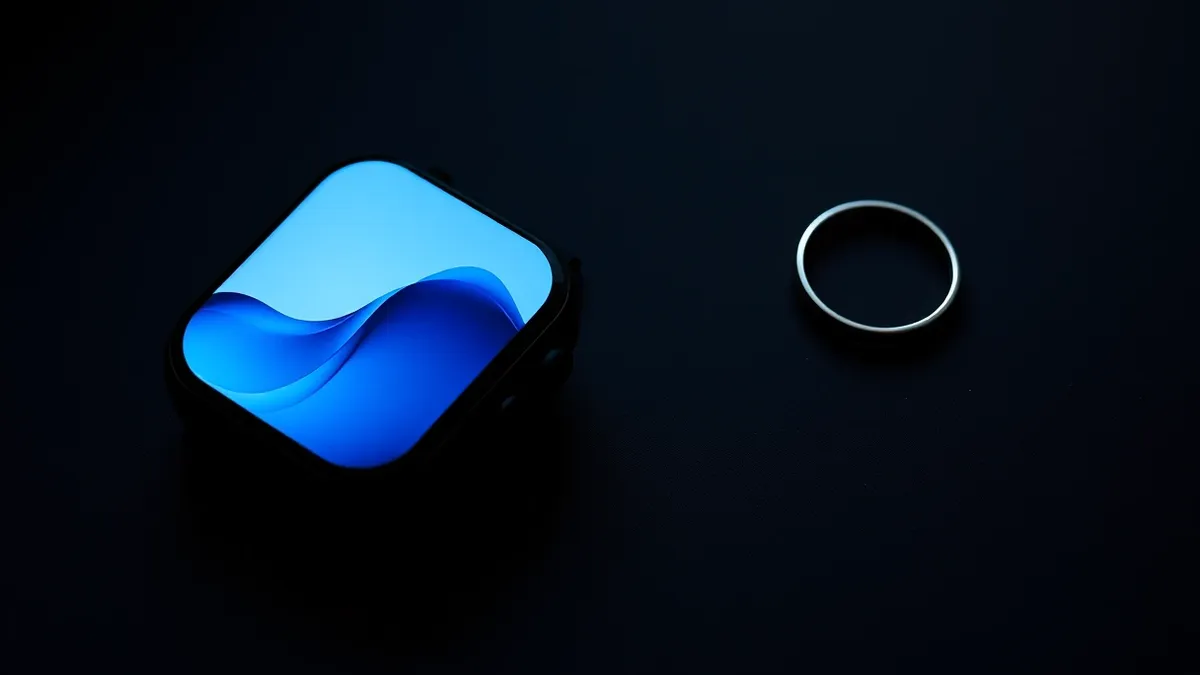
Samsung states that an updated artificial intelligence algorithm will deliver more detailed sleep reports than its previous detection technology.reported According to ZDNet, this FDA-cleared feature launches in Korea in November, with no confirmed arrival date for US devices yet.reported
Evidence: reported
Samsung adds better sleep tracking to Galaxy Watches – here’s what to expectaifleet-zdnet
Evidence: reported
Samsung adds better sleep tracking to Galaxy Watches – here’s what to expectaifleet-zdnet
The claim
ZDNet reports that the new system allows users to see insights behind their breathing disorders each hour.reported Previously, the smartwatch simply detected whether sleep apnea was present without providing specifics on timing or condition details. Samsung says this classification allows for greater specificity in condition management.
The response
The material notes that many health tracker companies have implemented similar detection features. The American Medical Association states that sleep apnea impacts around thirty million Americans and is often underdiagnosed. The AMA also notes that untreated conditions can lead to high blood pressure, heart disease and impaired focus.
The bottom line for teams
ZDNet clarifies that the Galaxy Watch cannot aid in the treatment plan of a sleep apnea diagnosis. The feature remains a detection tool rather than a medical intervention device. No software update date has been confirmed for Galaxy Watch 7 and 8 models yet.reported
Evidence: reported
Samsung adds better sleep tracking to Galaxy Watches – here’s what to expectaifleet-zdnet
What the paper shows
The research tests an AI algorithm designed to categorise sleep apnea severity into three distinct stages: mild, occasional and frequent. Reported results indicate the system provides hourly granularity for breathing disorder insights, a significant shift from binary detection.reported Stated limitations include the requirement for users to wear the device for two nights within a ten-day period. The feature is currently limited to specific hardware models and one geographic region.
Why it matters
- Model evaluators can analyse how the algorithm translates raw sensor data into hourly clinical-stage classifications.
- The requirement for two nights of data within ten days suggests specific sampling constraints for model accuracy.
- The FDA clearance status provides a regulatory benchmark for consumer health AI validation processes.
- The distinction between detection and treatment highlights the operational boundaries of wearable health models.
Topics: Samsung, wearable AI, sleep apnea, FDA clearance, health monitoring
Updated
Ask the article
Local keyword search of this article; no generated answers.Did this article give you the evidence you needed?
Your choice stays on this device. No public tally.Questions readers ask
Which devices support the new sleep apnea tracking feature?
The feature first comes to the Galaxy Watch Ultra 2, Watch 9 and Samsung Ring, with Watch 7 and 8 to follow via updates.
When will the feature be available in the US?
There is no confirmed date for when the feature will arrive on US Samsung watches and smart rings.
How does the new algorithm differ from the previous one?
The new AI algorithm provides hourly insights and classifies severity into mild, occasional and frequent stages.
Reading receipt
- The feature arrives in Korea in November before any US release date is confirmed.
- Users must record two nights of sleep within a ten-day window to generate results.
- Samsung classifies findings into mild, occasional and frequent stages for management.