Key points
- JPMorgan analyst Michael Cembalest identifies 2028 as a critical risk period for AI infrastructure buildouts.
- The analysis links potential challenges to the timeline following recent midterm elections.
- The report suggests looking two years ahead to assess the sustainability of current expansion plans.
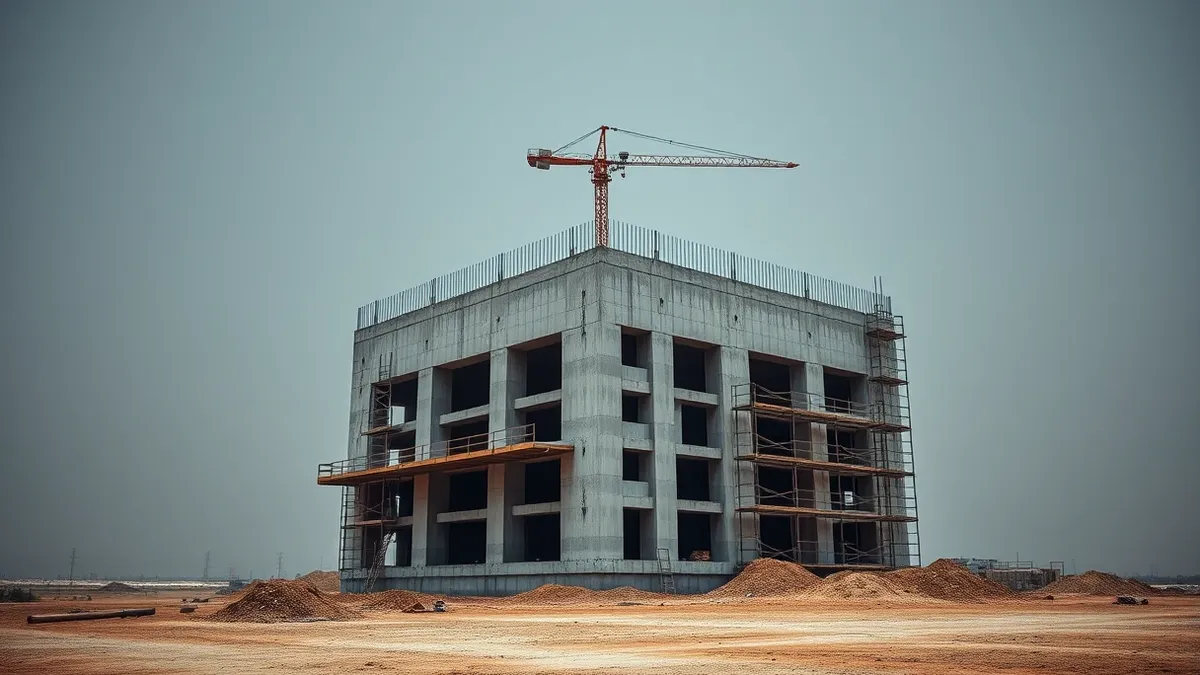
JPMorgan analyst Michael Cembalest has raised concerns regarding the trajectory of artificial intelligence data centre construction, according to a summary published by Bing News.reported The report highlights his specific focus on the year 2028 as a pivotal moment for the industry.An expert warns that building AI facilities might become difficult by 2028.Cembalest projects structural risks to AI capex cycles post-midterms, targeting 2028.
The claim
Cembalest argues that the true test for the current wave of AI infrastructure investment will occur in 2028. According to the Bing News summary, he is worried about the sustainability of these build-outs following the midterm elections.reported The analyst is looking two years ahead to gauge potential risks.
The response
The source material does not provide any direct response from data centre operators or other financial institutions regarding Cembalest’s specific warnings. The report focuses solely on the analyst’s perspective and his timeline for assessing the buildout.
The bottom line for teams
The material leaves the question of long-term infrastructure viability open, pointing readers toward 2028 as the key horizon. Teams should note that this is an analyst’s projection based on political and economic timelines, not a confirmed market shift.
What the paper shows
The report outlines a specific timeframe for evaluating AI infrastructure risks. Cembalest tests the assumption that current build-out momentum will continue uninterrupted. The stated result is a warning about potential instability in 2028. The limitation is that the source material provides no data on current construction rates or specific political impacts, only the analyst’s concern.
Why it matters
- Model evaluators must consider infrastructure constraints when assessing long-term model deployment scalability.
- Analyst projections suggest political cycles may impact capital expenditure for compute resources.
- The 2028 horizon provides a specific timeline for re-evaluating infrastructure dependency assumptions.
- Understanding these risks helps in planning for potential supply chain or funding disruptions.
Topics: AI infrastructure, JPMorgan, data centres, market analysis
Updated
Then / now / next
AI infrastructure expansion was viewed primarily through the lens of immediate demand.
Analysts are projecting long-term risks tied to political and economic cycles.
Monitor industry developments in 2028 to see if predicted risks materialise.
Story timeline
- Then AI infrastructure expansion was viewed primarily through the lens of immediate demand.
- Now Analysts are projecting long-term risks tied to political and economic cycles.
- Next Monitor industry developments in 2028 to see if predicted risks materialise.
The strongest doubt
Counterpoint from the sources
The source material provides no opposing viewpoints or data contradicting the analyst's timeline.
Ask the article
Local keyword search of this article; no generated answers.Did this article give you the evidence you needed?
Your choice stays on this device. No public tally.Questions readers ask
When does JPMorgan expect AI infrastructure risks to peak?
Analyst Michael Cembalest identifies 2028 as the critical period for assessing data centre buildout risks.
What event triggers the concern about 2028?
The report links the risks to the period following the midterm elections, looking two years ahead.
Is there a confirmed slowdown in data centre construction?
No, the source material only reports an analyst’s worry about future sustainability, not current slowdowns.
Connected stories
Reading receipt
- JPMorgan analyst Michael Cembalest identifies 2028 as a critical risk period for AI infrastructure buildouts.
- The analysis links potential challenges to the timeline following recent midterm elections.
- The report suggests looking two years ahead to assess the sustainability of current expansion plans.
Still open: What specific economic indicators will drive the 2028 risk assessment?
Still open: How will data centre operators adapt if the predicted slowdown occurs?