Key points
- SemiAnalysis visited the site in September and reported construction costs are one-fifth of comparable US projects.
- Envision is integrating 420MW of wind generation and battery storage to power the 800MW Galaxy campus.
- The first 120MW phase was completed in less than a year, with solid-state transformers converting 10kV AC to 800V DC.
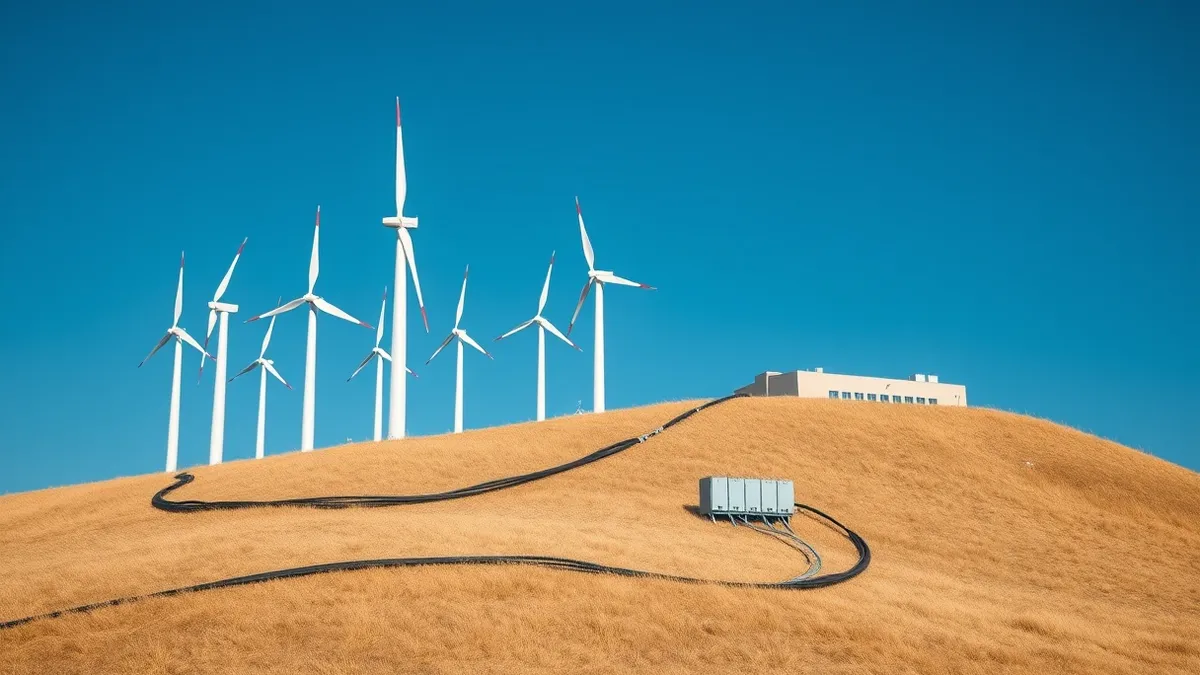
SemiAnalysis reported in a new analysis that Envision has delivered the first 120MW of its Galaxy AI data center campus in Inner Mongolia in under a year.reported The research firm visited the site in September and estimated the construction cost at just one-fifth of comparable projects in the United States.A new report suggests China is building AI data centers much cheaper than the US by using its own wind farms.SemiAnalysis’s site visit indicates Envision’s integrated renewable power model achieves significantly lower CAPEX than comparable US deployments. This finding suggests a significant divergence in infrastructure economics between Chinese and American AI deployments.
Evidence: reported
China builds massive 800-megawatt AI data center campus to rival US Stargate projectaifleet-tomshardware
The claim
Envision is developing the Galaxy campus across four phases for two unnamed internet companies, targeting 800MW of IT capacity by the end of 2027.reported According to SemiAnalysis, this scale rivals the approximately 820MW critical IT capacity planned for the Stargate campus in Abilene, Texas.reported The report highlights that Envision is securing its own power supply rather than relying solely on the local grid, a strategy designed to mitigate supply chain risks.
Evidence: reported
China builds massive 800-megawatt AI data center campus to rival US Stargate projectaifleet-tomshardware
Evidence: reported
China builds massive 800-megawatt AI data center campus to rival US Stargate projectaifleet-tomshardware
The response
The material notes that US developers are increasingly turning to on-site gas turbines to work around grid constraints, while facing turbine shortages that have pushed delivery estimates to 2030. In contrast, Envision is installing wind farms and battery storage alongside its computing facilities. SemiAnalysis reported that Envision has installed more than 100GW of wind turbines globally and aims for wind power to provide over 60% of the electricity for Galaxy’s first two phases.reported
Evidence: reported
China builds massive 800-megawatt AI data center campus to rival US Stargate projectaifleet-tomshardware
The bottom line for teams
To address intermittency, Envision is adding four-hour battery storage. SemiAnalysis observed that the wind farms, located about 80 kilometers apart, have a combined capacity of 420MW.reported This exceeds the 240MW load expected from the first two phases, although wind turbines rarely operate at full capacity continuously.reported
Evidence: reported
China builds massive 800-megawatt AI data center campus to rival US Stargate projectaifleet-tomshardware
Evidence: reported
China builds massive 800-megawatt AI data center campus to rival US Stargate projectaifleet-tomshardware
What the paper shows
SemiAnalysis’s site visit revealed specific technical implementations within the Galaxy campus. In a 5MW hall, researchers observed solid-state transformers converting 10kV AC electricity directly into 800V DC for server racks.
Why it matters
- Envision’s integration of on-site wind farms and battery storage offers an alternative to US reliance on gas turbines, addressing grid constraints and equipment shortages.
- The Galaxy campus’s planned 800MW capacity by 2027 positions it to rival the scale of the US Stargate project, intensifying global competition in AI infrastructure.
- Construction of the first 120MW phase in less than a year at one-fifth the cost of comparable US projects demonstrates significant speed and efficiency advantages.
- Dedicated power infrastructure with 420MW of wind capacity and four-hour battery storage ensures reliable electricity for servers despite variable wind conditions.
Topics: AI infrastructure, data centers, renewable energy, SemiAnalysis, Envision
Updated
Then / now / next
US developers faced grid constraints and turbine shortages delaying AI infrastructure projects.
Envision has delivered 120MW of Galaxy campus using integrated wind and battery storage at lower costs.
SemiAnalysis noted the full 800MW capacity is planned for completion by the end of 2027.
Story timeline
- Then US developers faced grid constraints and turbine shortages delaying AI infrastructure projects.
- 09 Nov 2026 China builds massive 800-megawatt AI data center campus to rival US Stargate project
- Now Envision has delivered 120MW of Galaxy campus using integrated wind and battery storage at lower costs.
- Next SemiAnalysis noted the full 800MW capacity is planned for completion by the end of 2027.
The strongest doubt
Counterpoint from the sources
SemiAnalysis noted that wind turbines rarely run at full capacity, requiring substantial battery storage to maintain reliable power for compute workloads.
Ask the article
Local keyword search of this article; no generated answers.Did this article give you the evidence you needed?
Your choice stays on this device. No public tally.Questions readers ask
What is the total planned capacity of the Galaxy AI data center?
The Galaxy campus is planned to provide up to 800MW of IT capacity by the end of 2027, according to the published report
How does the cost of Galaxy compare to US projects?
SemiAnalysis reported that the construction cost for Galaxy is one-fifth of comparable US projects.
What percentage of power will wind farms provide?
Envision wants its wind farms to provide over 60% of the electricity needed for the campus’s first two phases.
Connected stories
Reading receipt
- SemiAnalysis visited the site in September and reported construction costs are one-fifth of comparable US projects.
- Envision is integrating 420MW of wind generation and battery storage to power the 800MW Galaxy campus.
- The first 120MW phase was completed in less than a year, with solid-state transformers converting 10kV AC to 800V DC.